
If you want to open your own self storage facility in the near future, here are some tips to make the process easier. Start by choosing an appropriate name. For example, Paint by ABC implies more than a simple paint business. Your name should also appeal to customers and reflect your company's history and future plans. A name for a self-storage facility should also accurately describe what it will offer customers. Many self-storage businesses use their initials in their company name, like HGTV, which stands for Home & Garden Television. While this may seem like a silly choice, many businesses are successfully incorporating their names.
When it comes to buying a self-storage business, many buyers prefer to work with a broker who has a proven track record in the industry. Brokers can expose your business to a wider audience, as well as handle the nitty-gritty details of the transaction. With their help, you'll enjoy a smoother process. In addition to this, a broker will help you get the best possible price.
Another great advantage of a self-storage business is that it's a labor-passive business, which means that it doesn't need tenants, toilets, or plumbing. And since there are no tenants living in the building, there's little maintenance needed. You won't have to deal with tenants complaining about the condition of the facilities. This type of business is recession proof. It's a safe investment, as people are either downsizing or expanding their households, and both have a need for storage space.
A proven franchise offers help and guidance. An established franchise will have a proven track record and can even get you a small loan from a bank. If you don't have any experience in the industry, you might have to get a co-borrower to help you secure financing. An experienced business partner is ideal, as they have experience with daily operations, accounting, and overall business experience. These partners will also help you develop a strong marketing plan.

One of the most important aspects of a self-storage business is location. It is best to choose a location near a central business district and two well-known streets. However, a good location is not enough to guarantee success. You must also look into the condition of the facility, and whether the building has amenities such as office rooms and security cameras. The construction of the building itself is important as well.
Another advantage of buying a self-storage facility is that you'll have no uncertainty about the profitability of the operation. Self-storage facilities have major fixed costs, and the manager is typically the largest one. Without a manager, you can't be profitable. Fortunately, many small rural self-storage complexes are for sale. However, there's always a catch! The facility may be outdated or in poor condition. This can be a major cost to acquire.
Aside from the location, another factor to consider is the size and type of the unit. If you're interested in buying an older building, it may be easier and faster than starting a new one from scratch. An older building may already meet zoning requirements and be grandfathered in to a more lenient standard. In this case, buying a large building can save you time and money in the long run.
If you don't have much experience in the operations field, you can purchase a self-storage facility from a franchise organization or big franchise companies. Self-storage facilities are not a quick business to open. It requires time to learn about the area and find potential renters. Moreover, you'll also need to pay for monthly dues, find renters for empty units, and make sure the utilities are paid.
If you are looking to start a self-storage business, you have to hire an attorney to draft the terms and agreements. You must market your business to attract potential customers and generate funds. Setting aside a marketing budget is essential. Make sure to draft marketing strategies that will promote your business and create awareness. To help you get started, here are some tips for getting started. A website is a must! You will also need a landline or cell phone, security software, and a business vehicle. All these items may be used, but you'll need to invest in them.
You need to create a business plan. This document will help you get financing for your business and forces you to consider important aspects of the business. Banks and investors need to see a business plan to determine whether to loan you money. Next, you need to decide on a legal entity. You can opt for a sole proprietorship, partnership, corporation, or Limited Liability Company. Each of these structures has its pros and cons.
Land is one of the most significant startup costs. You can expect to spend between 50 cents and $4 per square foot, depending on the location and area where you plan to build the storage units. Lastly, determine how much time you can spend managing the business. While running a self-storage facility is a challenging job, you can benefit from the help of a skilled attorney to get the legal documents you need.
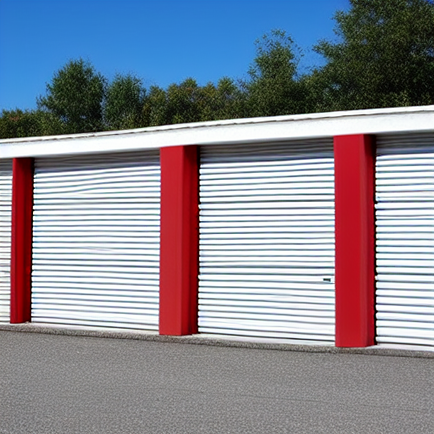
Having a business plan is a must for any new business, whether you plan to run it on your own or seek funding from investors. Having a professional review and critique of your plan will help you to improve your chances of success. You can find free business mentoring through nonprofits and seek guidance from an experienced self-storage industry professional. You can even hire a professional writer to help you write your business plan.
Another important aspect of self-storage is that it is a high-growth business and can be very lucrative. While the potential is high, it is important to remember that you'll be responsible for the personal property of your customers, so it's vital to be well-prepared to handle this responsibility. To find success, you must do your research and plan systematically. You must ensure you've done enough market research and considered all of your options. You'll be glad you did!
When starting a self-storage business for sale, you should decide what legal structure you want to incorporate your business under. There are pros and cons to each one. Some are better than others, but you should decide what's best for your business before deciding on the legal structure of your company. It's essential that you understand the tax implications of all of the above factors. If you have any questions, make sure to contact a legal advisor to get the information you need.